Keep problems out
Source traceable plants, quarantine arrivals, control visitor and tool movement, and follow plant-movement rules.
Many infectious and abiotic problems overlap in color, shape, and decay. A field symptom is evidence to investigate, not a diagnosis or a pesticide recommendation.
Walk a repeatable route often enough to detect change. Increase frequency during wet periods, flowering and fruiting, after storms or heat events, and around incoming plant material.
Source traceable plants, quarantine arrivals, control visitor and tool movement, and follow plant-movement rules.
Maintain drainage, airflow, balanced growth, clean harvest containers, managed weeds, and protected fruit where justified.
Identify the organism or disorder, track beneficials and damage, and define when economic or quality loss warrants action.
Prioritize sanitation, physical, cultural, and biological tactics; use lawful pesticides only when justified and label-compliant.
Cards list plausible problem groups and immediate risk-reduction steps. Several causes may occur together, and laboratory confirmation may be necessary.
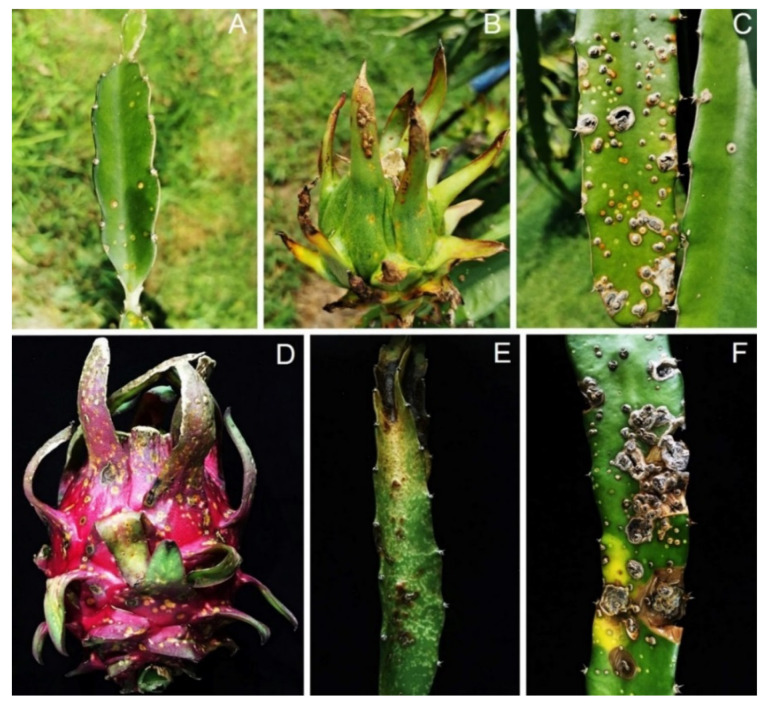
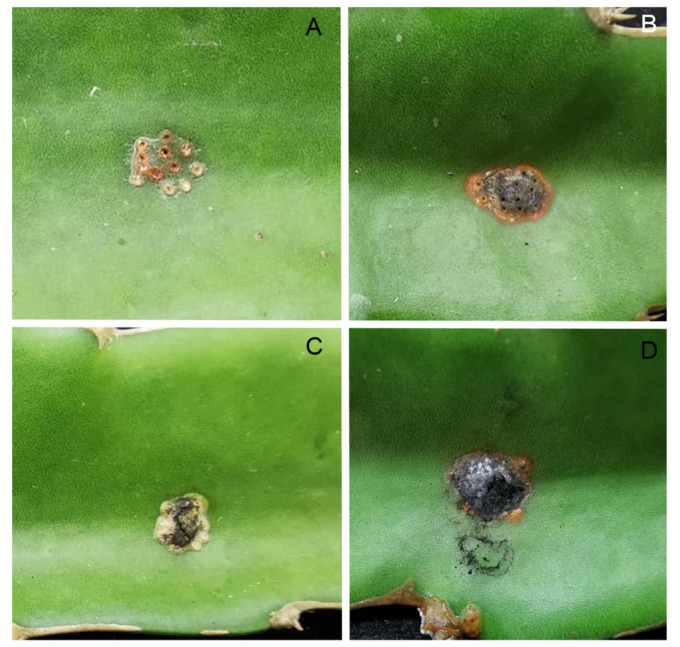
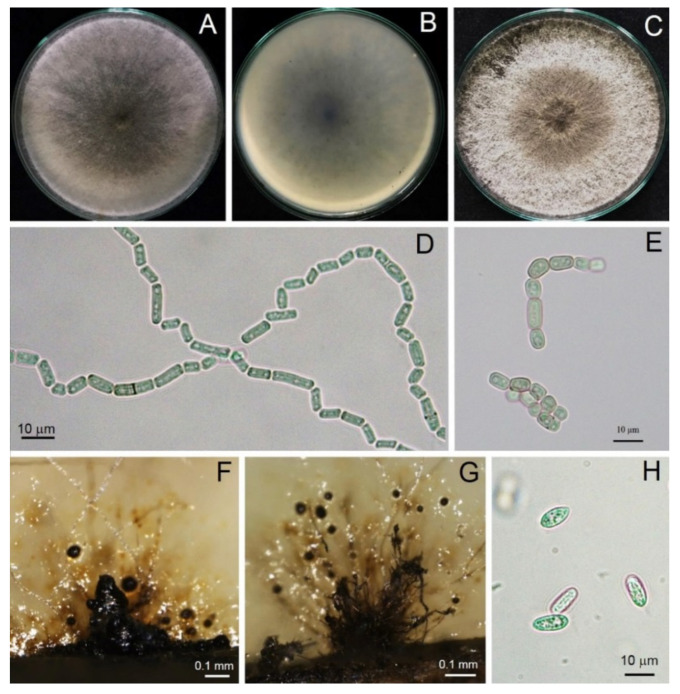
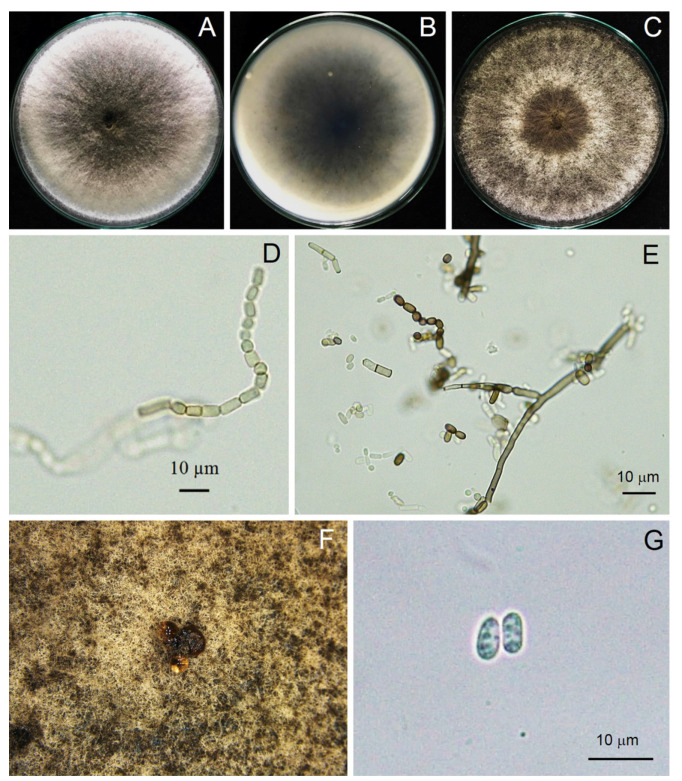
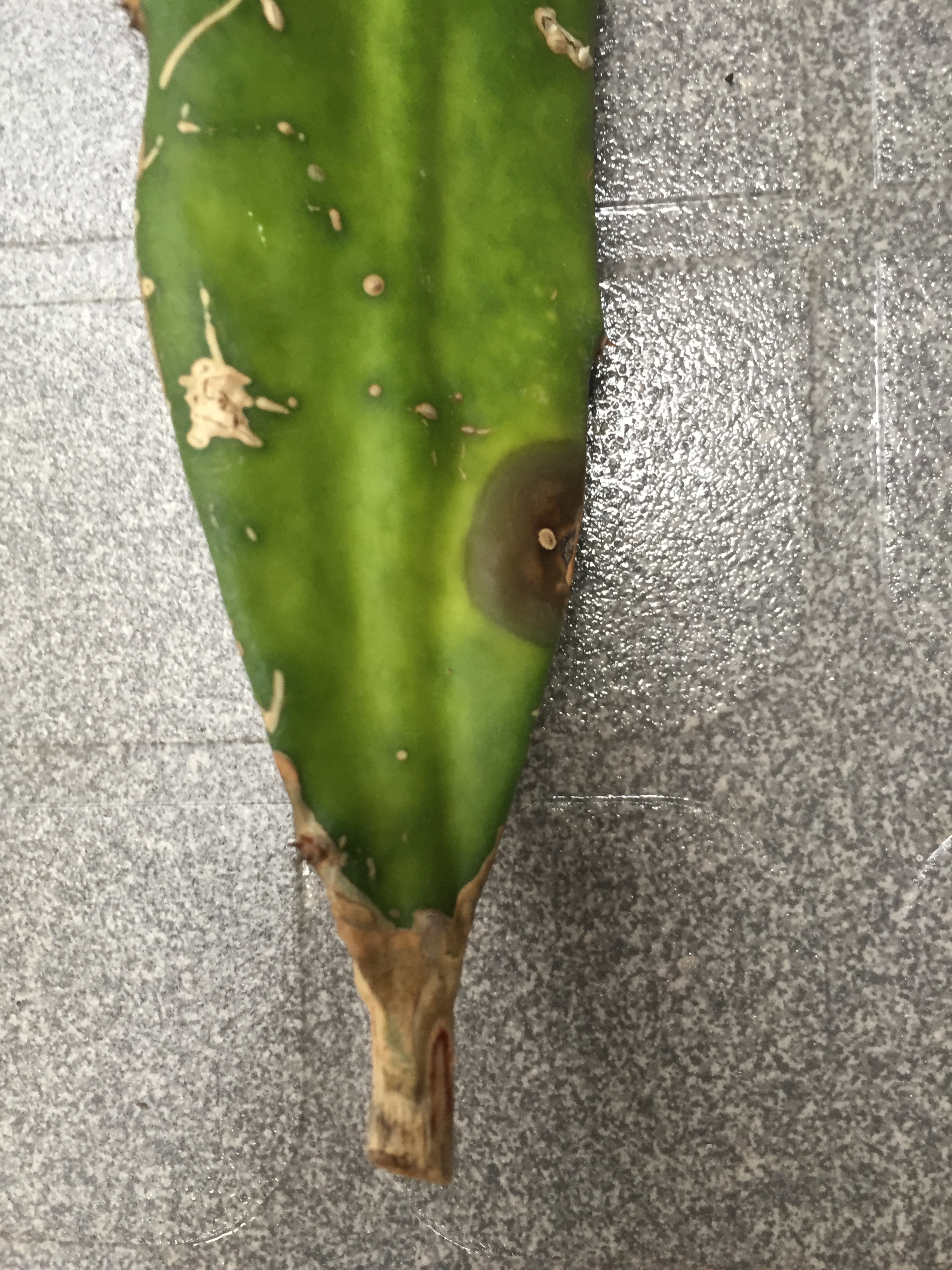
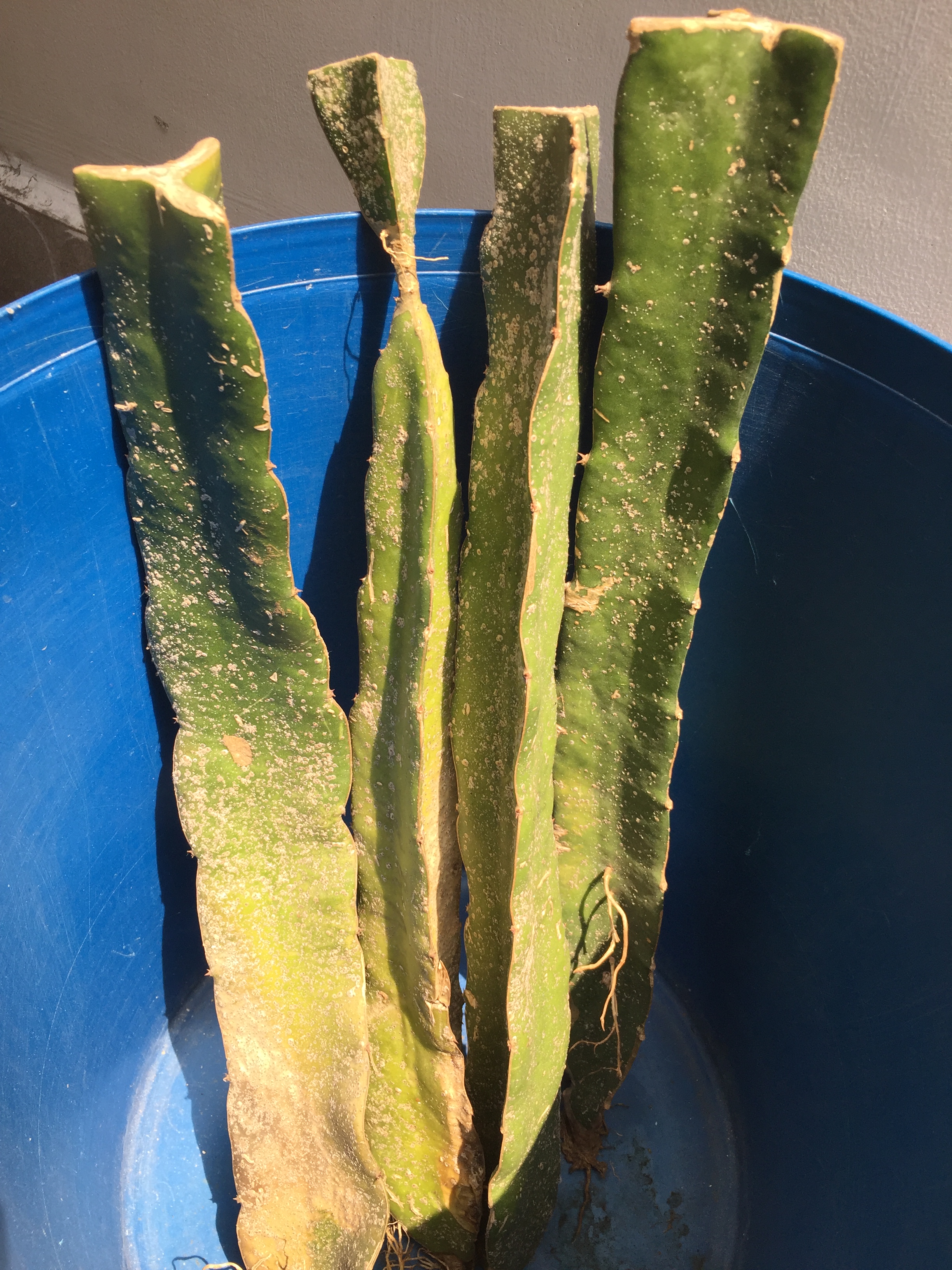
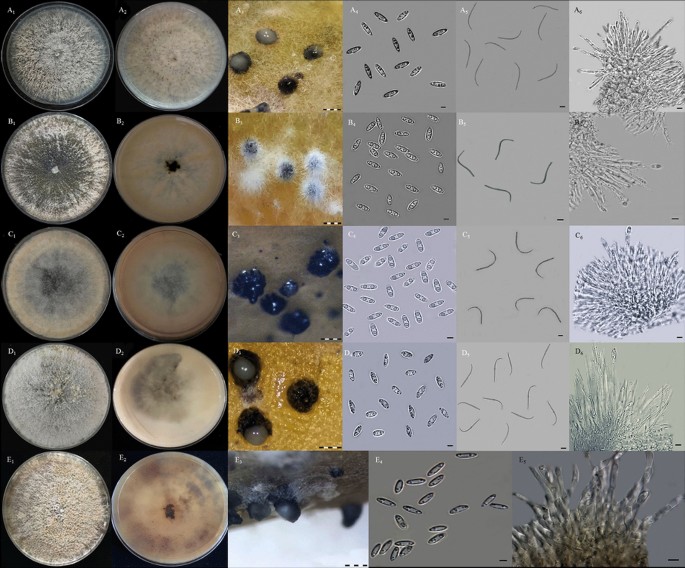
Possible groups include infectious canker or spot diseases, healed wounds, sun injury, spray injury, or secondary colonization. Color alone is unreliable.
Mark margins; compare sun and shade faces, cultivar, wounds, pruning date, moisture, and lesion progression. Avoid working wet plants and sanitize tools between suspect plants.
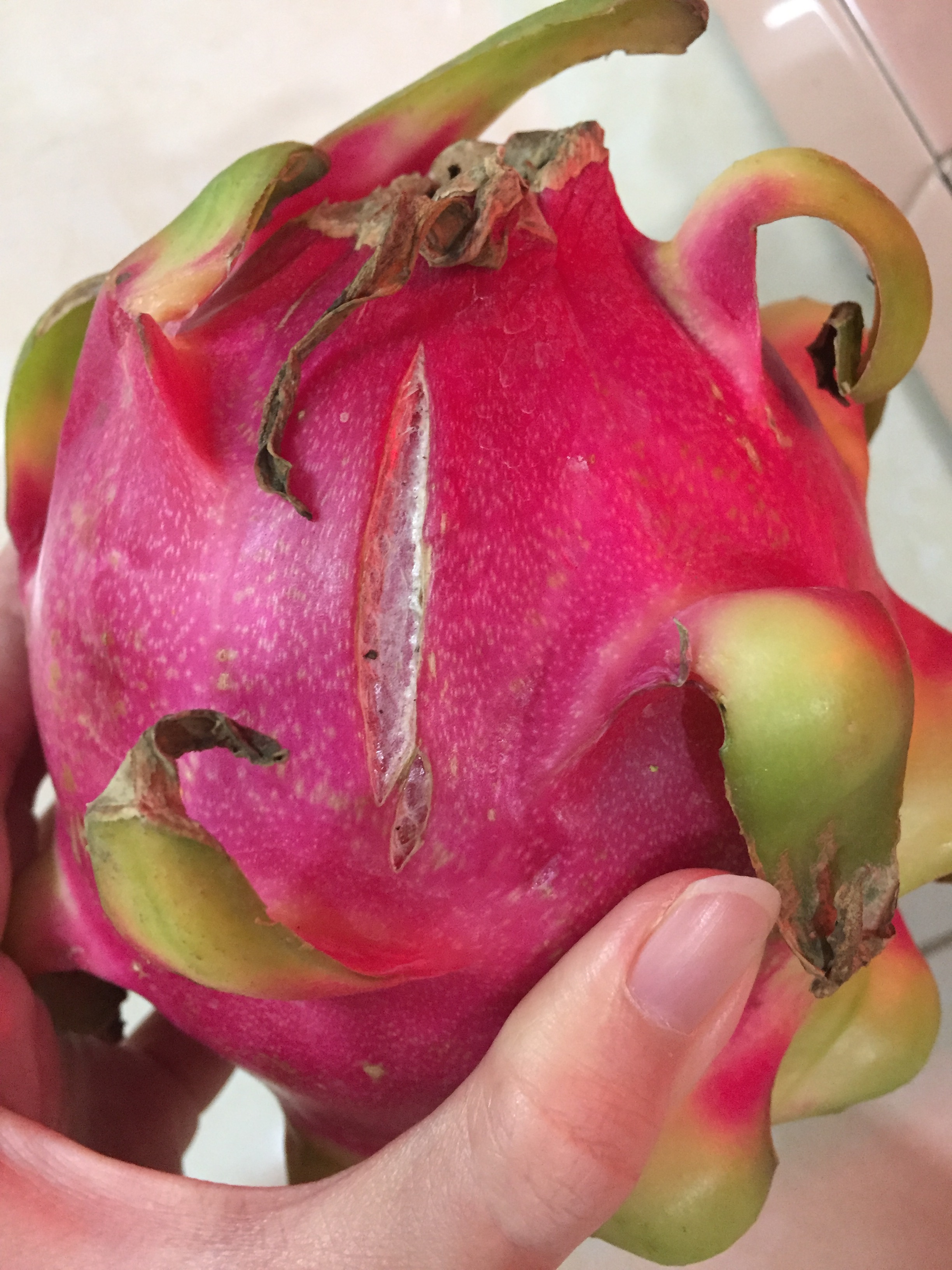
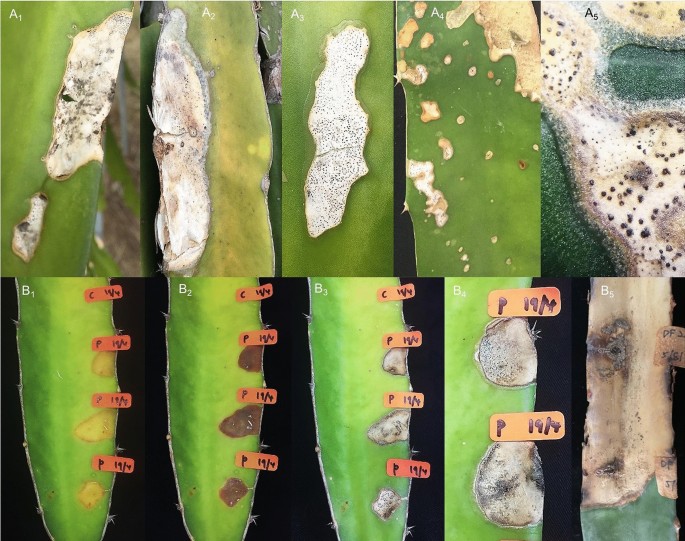
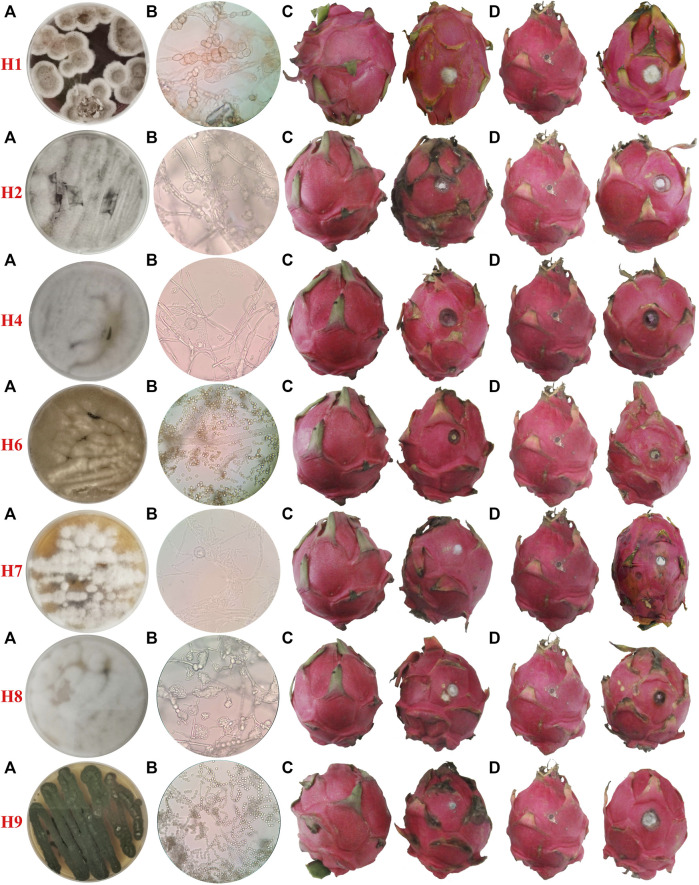
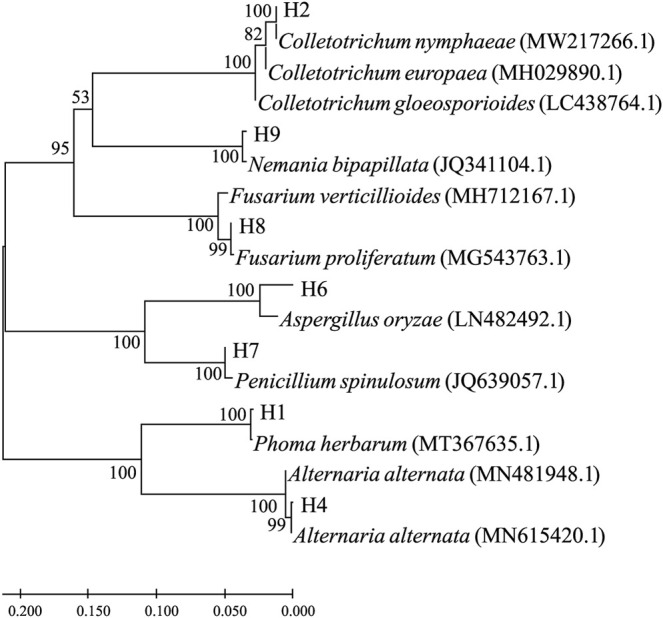
Anthracnose-like symptoms can overlap with other pathogens, mechanical injury, heat damage, and postharvest decay. A symptom resemblance is not confirmation.
Remove affected fruit from sale, protect sound fruit from splash and injury, retain a representative sample, and record flowering, rain, harvest, and handling history.
Bacteria, fungi, waterlogging, freeze or heat injury, and wounds may produce soft decay, sometimes in combination. Rapid progression raises urgency.
Isolate plants or lots, stop moving wet debris, check base and roots, drainage and injury, sanitize tools, and seek prompt diagnosis. Do not compost suspect tissue unless the process is validated.
Sunburn, abrupt shade removal, heat, cold, salts, spray injury, or abrasion can mimic disease and may later admit opportunistic decay organisms.
Compare exposed orientation, weather and spray records, irrigation zones, and static versus expanding damage. Adjust exposure gradually; do not overwater damaged plants.
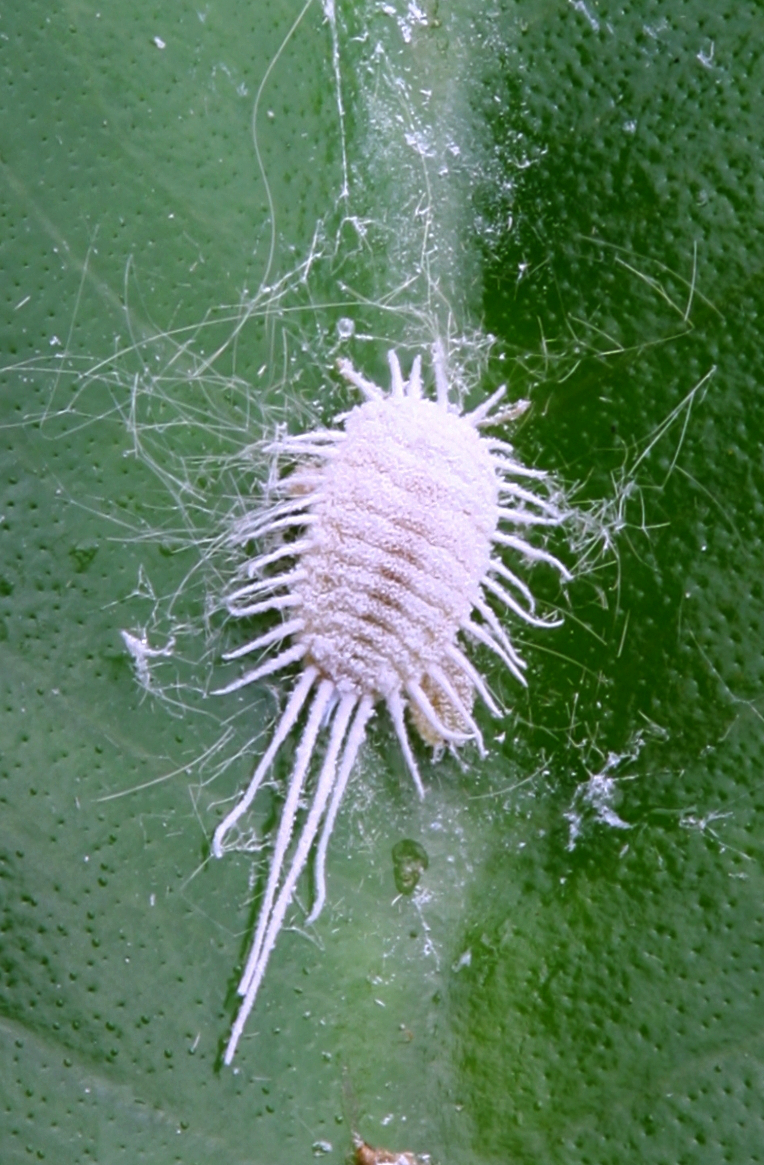
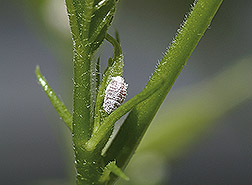
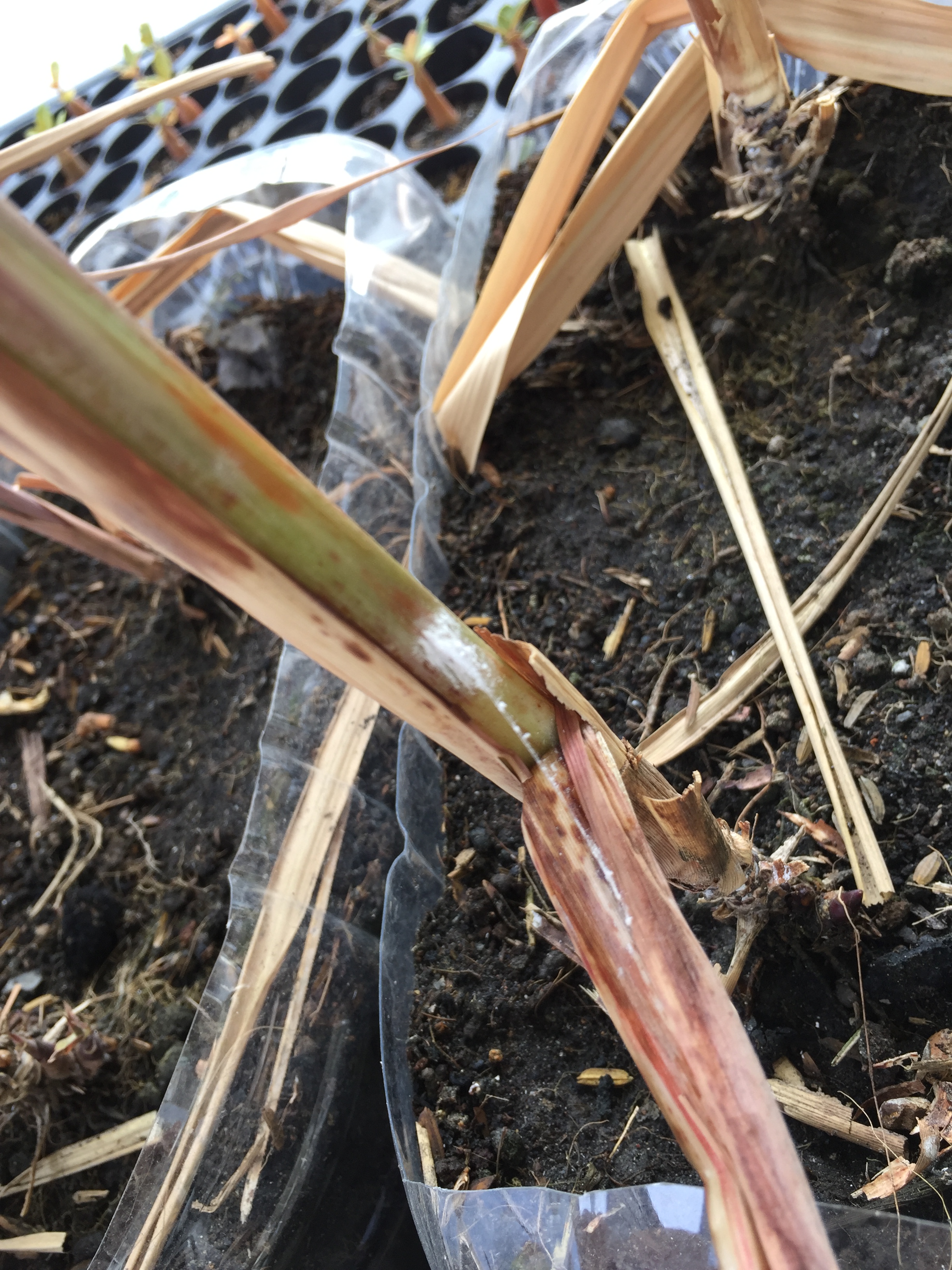
Ant activity can signal honeydew-producing insects. Mealybugs and scales hide at areoles, ties, flowers, fruit bases, and protected stem junctions; identification matters.
Trace ants, inspect protected sites and roots, flag infested nursery lots, reduce bridges and weeds where appropriate, and preserve natural enemies before selecting controls.
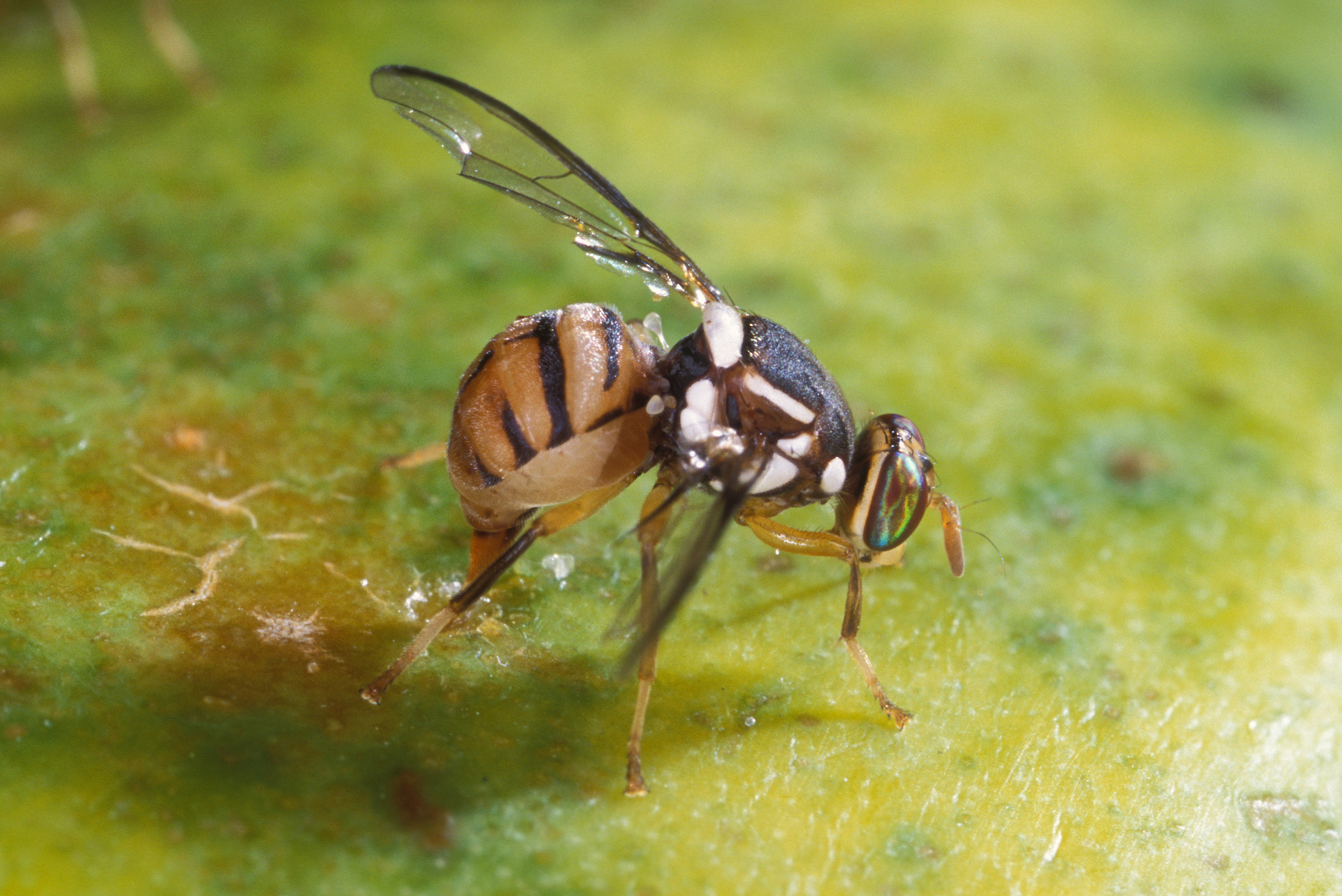
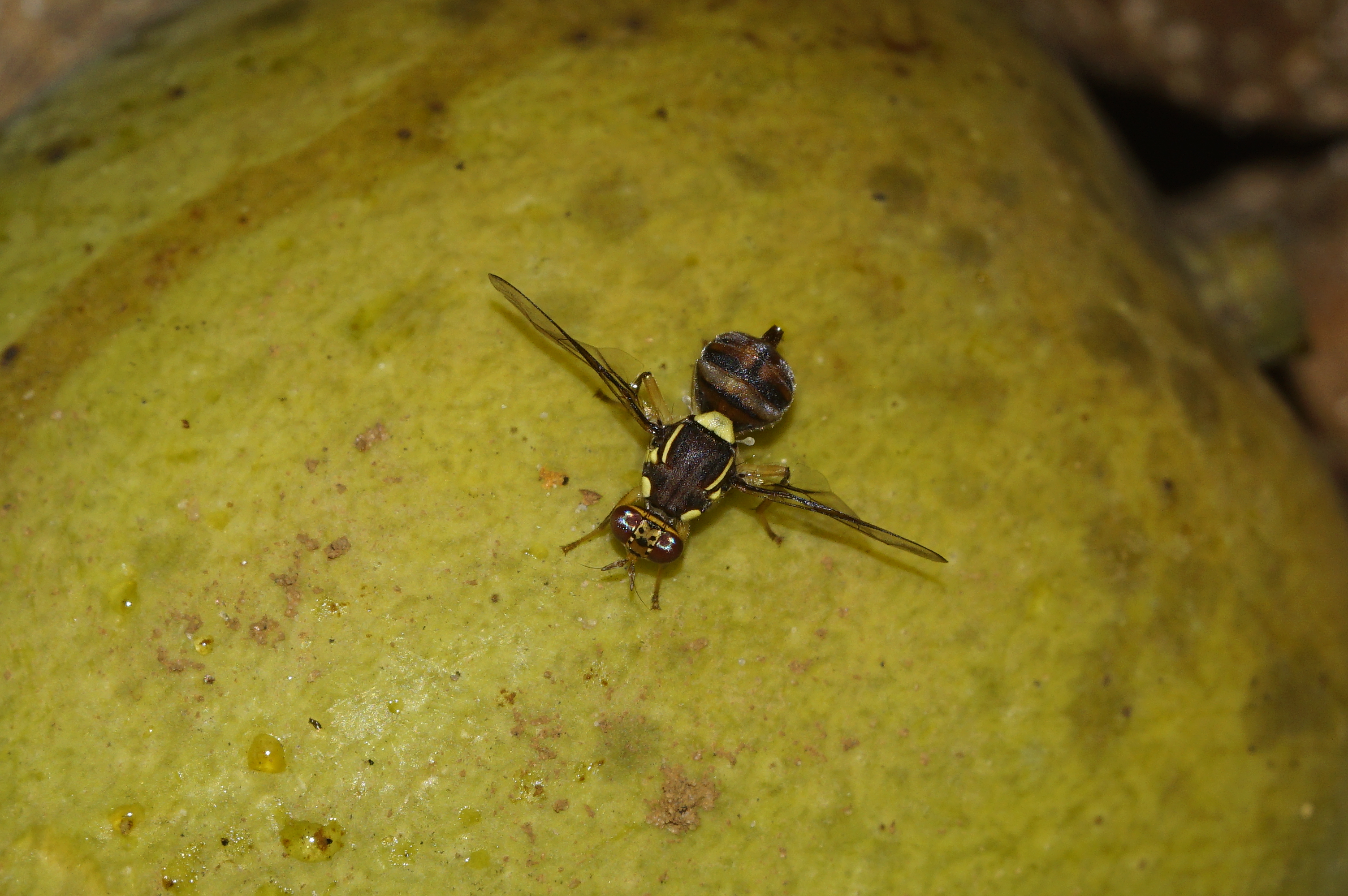
Fruit flies may be regulated and economically important in some regions, while other flies or insects may use already damaged fruit. Do not identify larvae by damage alone.
Secure specimens and fruit, remove fallen and overripe hosts, check official surveillance guidance, and notify the relevant authority where a regulated pest is suspected.
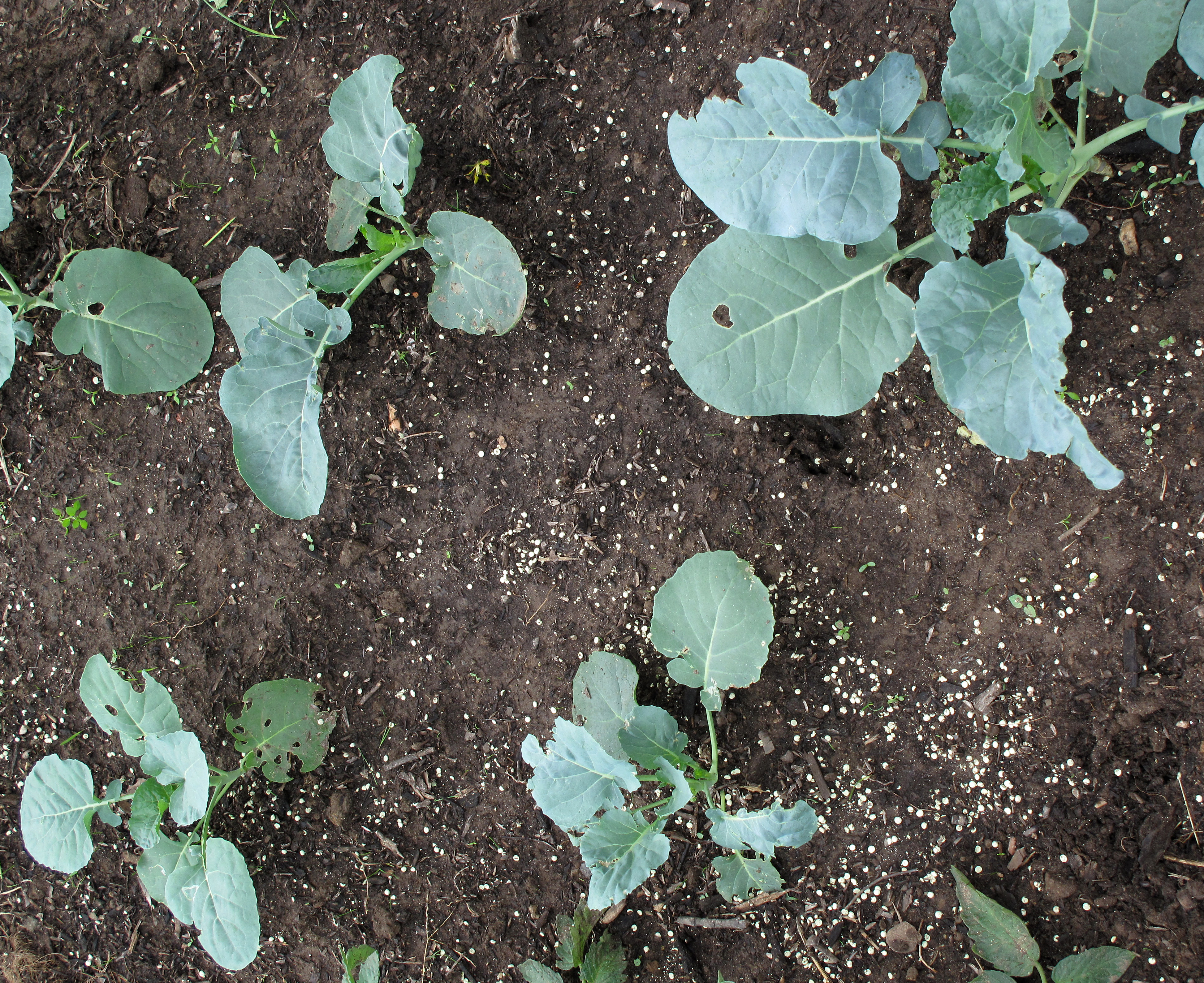
Rasping, slime, sheltering animals, and damage concentrated in damp protected areas support the assessment, but similar surface feeding can have other causes.
Scout after dark or rain, inspect pots, weeds and debris, improve sanitation and drainage, protect young plants, and use lawful controls that minimize non-target harm.
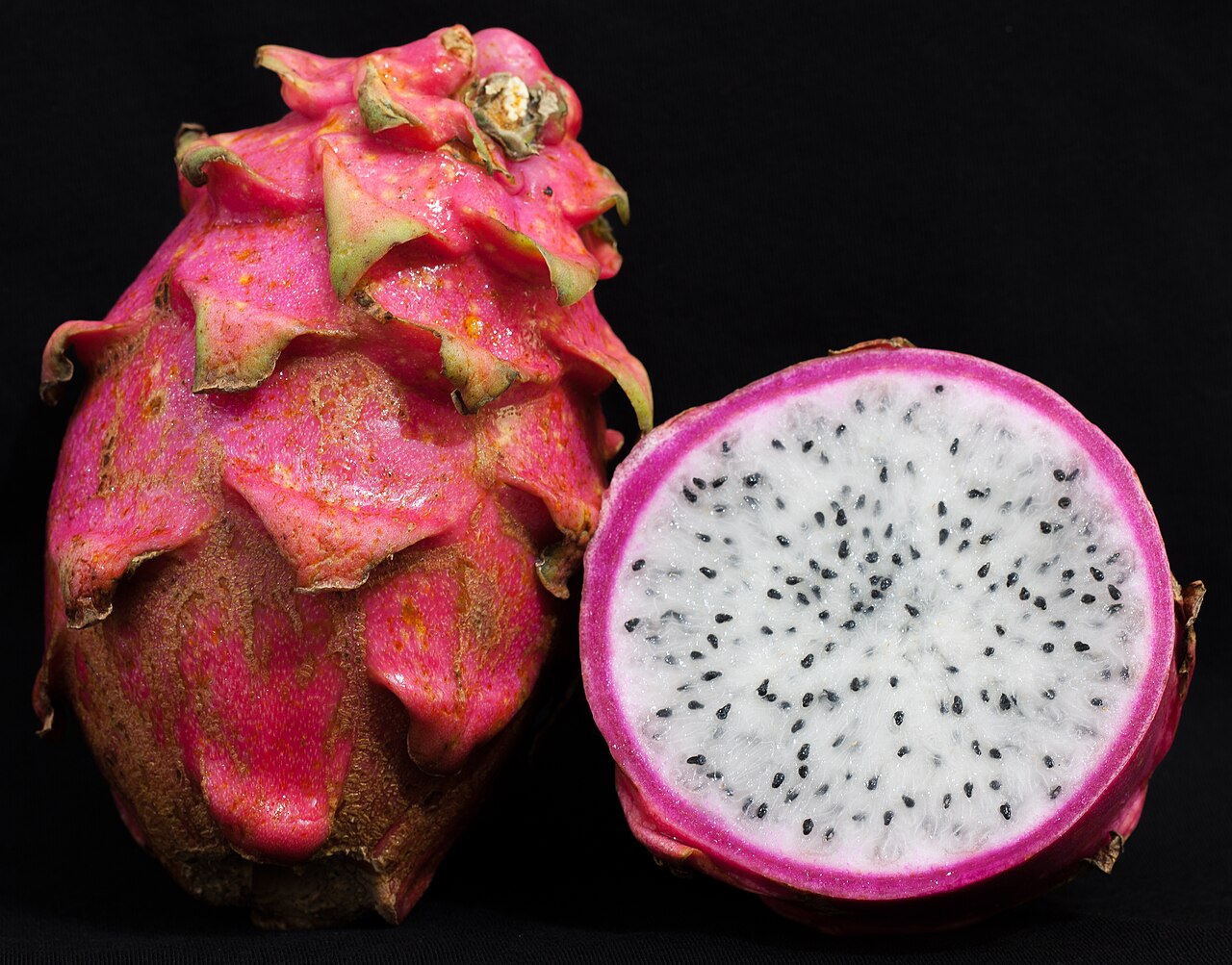
Pecks, gnawing, missing fruit, tracks, droppings, and time-camera evidence help distinguish visitors. Open wounds also increase decay and food-safety risk.
Remove damaged fruit from market, clean contaminated areas safely, secure waste and harvest bins, and use legal exclusion designed to avoid wildlife entanglement.
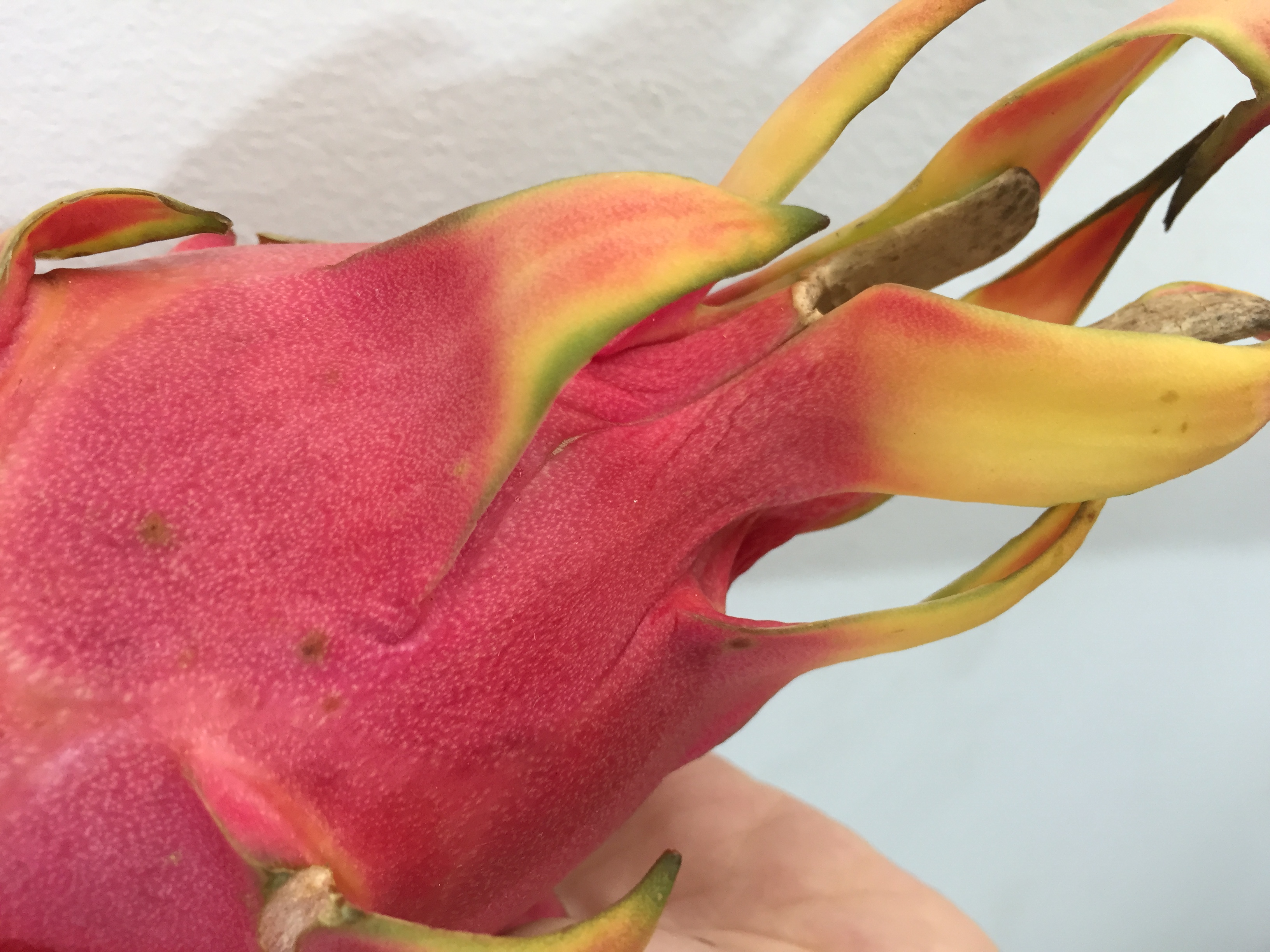
Root stress, saturation, drought, salts, pH, nutrient imbalance, herbicide exposure, pests, or vascular/root disease can overlap. Adding fertilizer without diagnosis may worsen stress.
Check roots, base firmness, soil moisture, emitter delivery, drainage, pH and salinity patterns, recent inputs, and neighboring plants before interpreting tissue tests.
Sanitation means preventing movement from a contaminated source to a clean host. Removing visible dirt precedes disinfection; disinfectants do not perform equally on dirty surfaces.
| Record | Minimum detail | Why it matters |
|---|---|---|
| Observation | Date, scout, block, cultivar, plant or post, tissue, symptom description | Locates patterns without embedding an unconfirmed diagnosis |
| Extent | Plants inspected and affected, fruit affected, severity scale, mapped edge | Shows incidence, progression, and intervention timing |
| Context | Rain, temperature event, irrigation zone, pruning, spray, harvest, wounds | Tests infectious and abiotic hypotheses |
| Evidence | Scaled photos, specimens, sample chain, laboratory result | Preserves diagnostic quality and confidence |
| Action | Containment, sanitation batch, removal, legal control, applicator, recheck date | Connects action to response and compliance |
Do not apply a pesticide because a photograph looks similar. Product registration, permitted crop and pest, label directions, preharvest and re-entry intervals, protective equipment, pollinator safeguards, maximum residue limits, and applicator requirements vary by jurisdiction and can change.
Use only products currently lawful and labeled for the site, crop, pest, and application method, and follow the label. Obtain current local professional guidance. No product, active ingredient, rate, or spray schedule is prescribed here.