Opening at dusk
Flowers typically expand after sunset, open fully in the night hours, and decline by early morning. Tag buds and note opening hour by block and night temperature; use that log to schedule collection and application.
Large nocturnal flowers open for hours, not days. Receptivity, pollen viability and compatibility decide fruit set and size — manage all three with measured, labeled hand work and pollinator-aware field design.
Floral and pollination biology (157) describes anthesis timing, nocturnal opening, and the short window where receptive stigma and viable pollen must meet. Treat timing as a field observation, not a clock hour — temperature, humidity and cultivar shift the window.
Flowers typically expand after sunset, open fully in the night hours, and decline by early morning. Tag buds and note opening hour by block and night temperature; use that log to schedule collection and application.
Stigma receptivity often peaks around or shortly after full opening and narrows as the flower ages. Apply compatible pollen generously to exposed lobes during peak, covering the surface rather than a single dab.
Pollen viability falls with moisture, heat and time since dehiscence. Fresh pollen out-performs stored; if storage is attempted, it requires a validated low-moisture, cool, and dated method — and remains a fallback, not a plan.
Mark buds at swelling, note opening, full anthesis, wilting and abscission. Record temperature and humidity at pollination hour.
Track whether pollen was freshly dehisced, held briefly, or stored; match to whether stigmas were early, mid or late receptive.
Delays between collection and application are measured in hours. Heat and damp both shorten viability; keep tools and pollen dry and shaded.
Light, headlamp, clean trays and labeling kit must be ready before dusk. A hurried night is a contamination and mislabel night.
Hand pollination is a hygiene and identity discipline: clean collection, generous transfer, and durable labeling that survives to harvest.
Cotton swabs (139), fine brushes, small dry trays, paper packets and markers. Sanitize or replace applicators between pollen sources; keep everything dry.
Collect at or soon after anther dehiscence when pollen is powdery and bright. Tap or brush anthers into a clean dry tray; avoid petals, dew and debris.
Load swab or brush and coat receptive stigma lobes on the same night during peak receptivity. Apply generously; a light touch under-delivers.
Tag each flower immediately with pollen source, date-time, person and sequence; duplicate to a field sheet. Photograph tags before dawn when labels can slip.
Moisture and heat degrade pollen rapidly. Do not bag fresh flowers in plastic that traps humidity; keep pollen shaded, sealed with desiccant only under a validated method.
Log weather, pollen age, flower number, source block and outcome to fruit set and market grade. I pollinated this flower (142, 145–146) threads illustrate why labeled self-sterile follow-up matters.
Storage is a risk: moisture, heat and time reduce viability. If held, use a dated low-moisture cool method, test germination/set on a small sample first, and prefer same-night fresh use.
Brief crew, mark trellis and wire trips, carry two lights, and work with a buddy. Night work inherits day hazards — wires, drains and raised beds remain.
Pollinating a dragon fruit — step by step (138) plus hand swab shorts (139) demonstrate timing and handling. Review as technique context; validate on your clones and lights.
Group threads 143–146 on self-sterile varieties show labeling, bagging questions and success reports — instructive but not a guarantee for any other cultivar or season.
Rare AU hand-pollination guide (141) sequences collection, transfer and recording — align with your field sheet and traceability code.
Dragon fruit pollination categories (153) divide varieties into self-compatible and self-sterile archetypes; online variety lists (147–152) illustrate names but not proof for any individual plant.
Self-fertile/self-compatible, conditionally self-compatible, and self-sterile/self-incompatible requiring compatible cross-pollen. A nursery label may state a category; only a controlled cross on your site confirms it.
Pollination and harvest guide (147), Rare AU self-fertile/sterile list (148), Reddit separating fact from fiction (149), Seeds del Mundo self-pollinating list (151) and Facebook best self-fertilizing thread (152) collect names that drift by region and nursery. Treat as starting hypotheses, not lot proof.
How to test for self-fertility step-by-step (150) outlines isolation, controlled self vs cross pollination, tagging and set comparison. Replicate across flowers, nights and seasons before calling a clone self-fertile.
| Treatment | Method | Record |
|---|---|---|
| Bagged, no hand | Bag before anthesis, no manipulation | Autonomous self set if any; note bag effect on microclimate |
| Self-pollen, bagged | Apply own-flower or clone-mate pollen, rebag | Self-compatibility signal; compare to open control |
| Cross-pollen, bagged | Apply verified compatible pollen, rebag | Cross-potential and fruit quality vs self |
| Open / natural | Unbagged, exposed | Field pollinator contribution that night; do not infer identity |
Night-open flowers invite bats, moths and sometimes bees at dawn. Supporting pollinator habitat is sound agroecology; betting a market grade solely on wild visits is business risk.
Honey bees arriving at dragon fruit (158) and Asian honey bee pollination notes (159) show dawn foraging on lingering flowers. Bee efficacy depends on flower overlap, position and whether bees contact receptive stigmas — not guaranteed.
Bats pollinate dragon fruit and other crops (160); bat-pollination economics on pitaya (161) places bats among nocturnal visitors. Bat activity is site, roost and disturbance sensitive; do not assume a colony.
What pollinates dragon fruit (156) notes nocturnal moth visits among natural pollinators. Wind is not a reliable vector for this flower architecture; focus on managed compatibility plus pollinator support.
retain roosts, hedgerows and floral strips away from pesticide and drift; time sprays outside anthesis; keep night lights focused on flowers, not broad habitat.
Self-sterile blocks can crop-out under poor visitation nights — hold responsible hand capacity for market-grade blocks even where visitors are common.
Map compatible pollen donors within reasonable hand-collection distance; interplant sparingly and track identity — a border donor is only useful if stigmas receive its pollen.
Log visitation observations beside hand vs open set in the same night window; separate pollinator contribution from compatible cultivar effect.
Filter six technique cards by your question. Buttons use aria-pressed and a live status; cards carry data-question and hide with .hidden.
Showing 6 techniques — filter: All techniques.
Sources Test 150 · Categories 153 · Lists 147–152 caution.
Sources 138–153 block maps.
Sources Cotton swab 139 · Steps 138–141.
Sources Labeling 143–146 · Biology 157.
Sources Bees 158–159 · Bats 160–161.
Sources Natural pollinators 156–162.
A nightly sequence that keeps hygiene, identity and safety constant under low light.
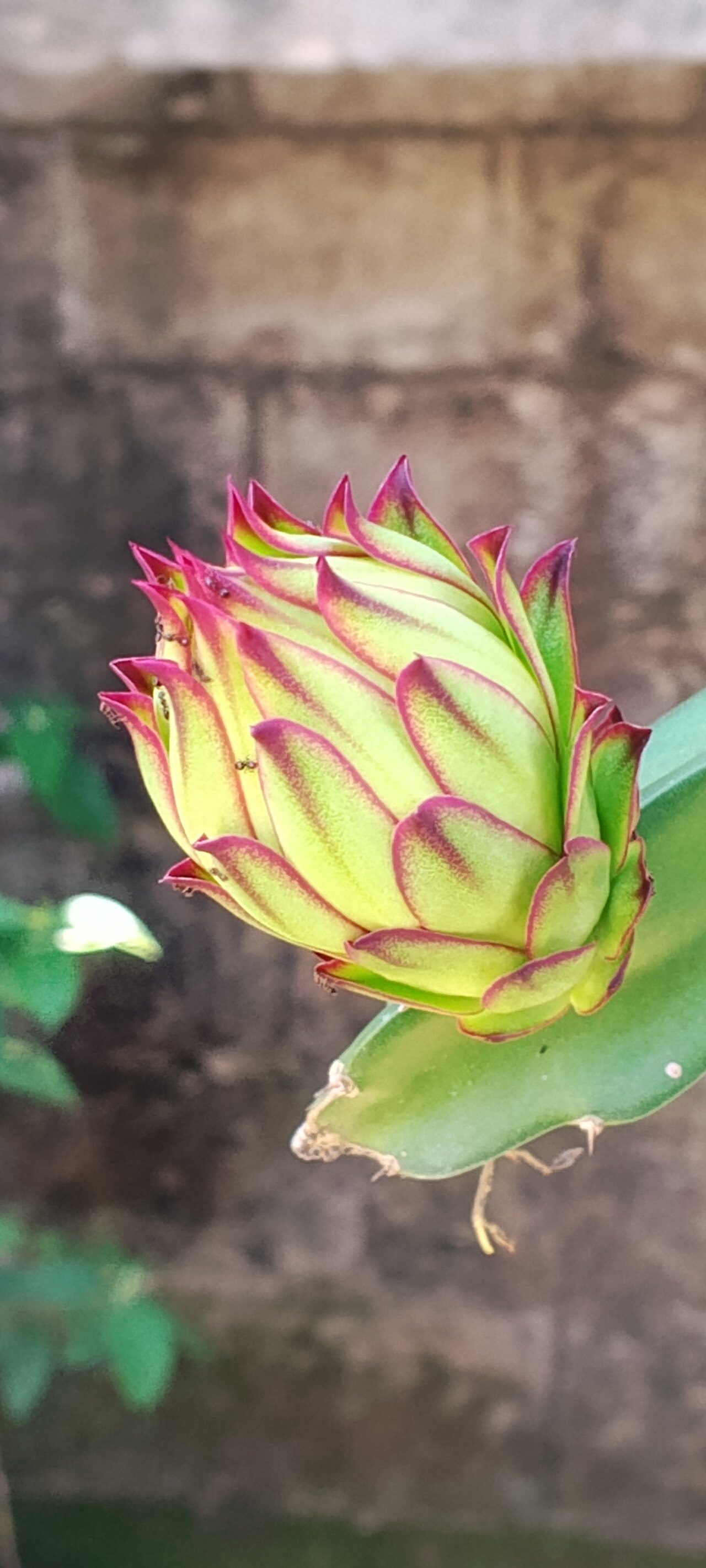
Clean dry trays, swabs, brushes, labels, pens, sheets, headlamps, spare batteries, sanitizer per source. Print donor map.
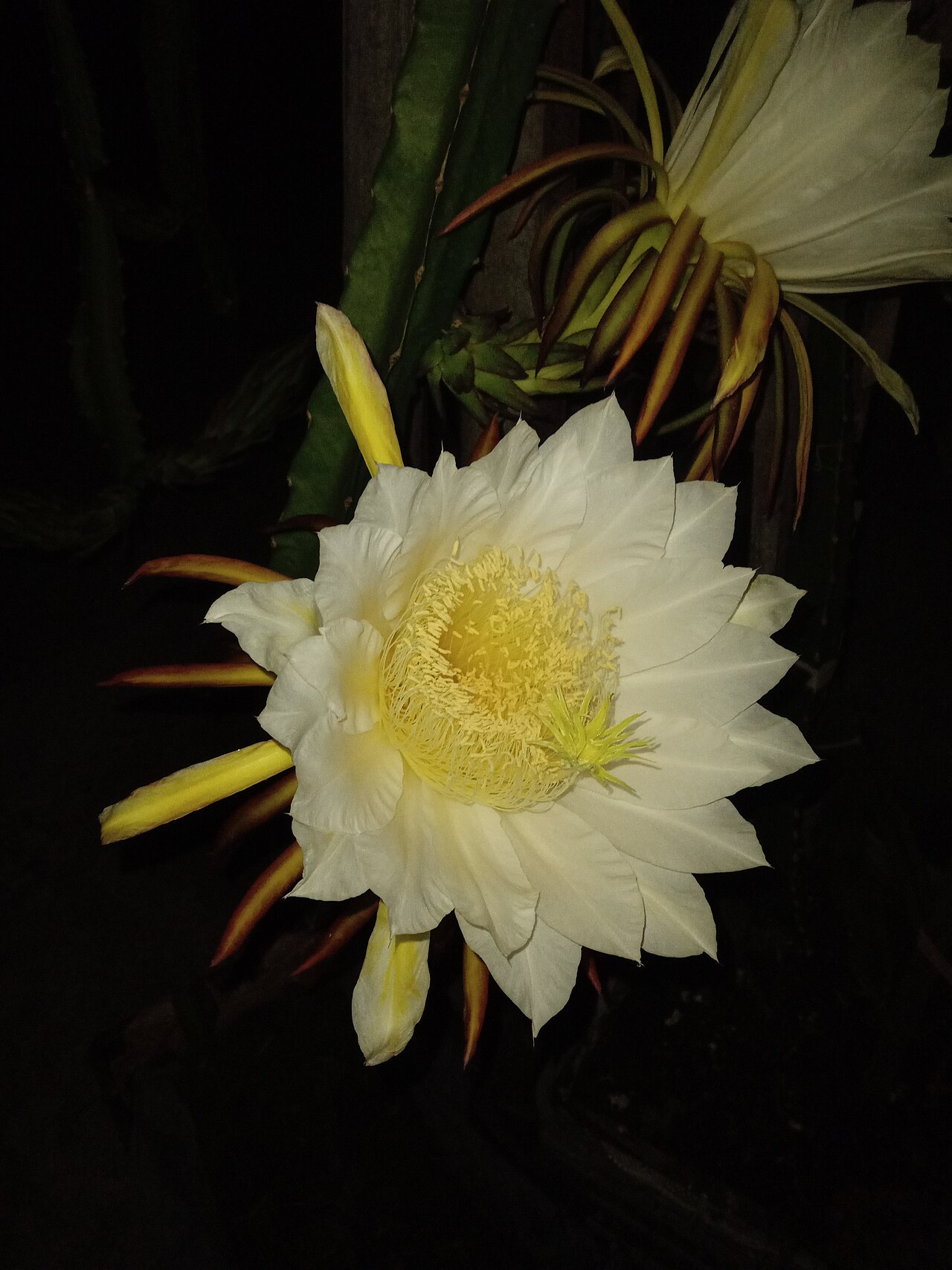
Walk blocks, flag newly opening flowers, note temperature/humidity, choose collection order by viability.
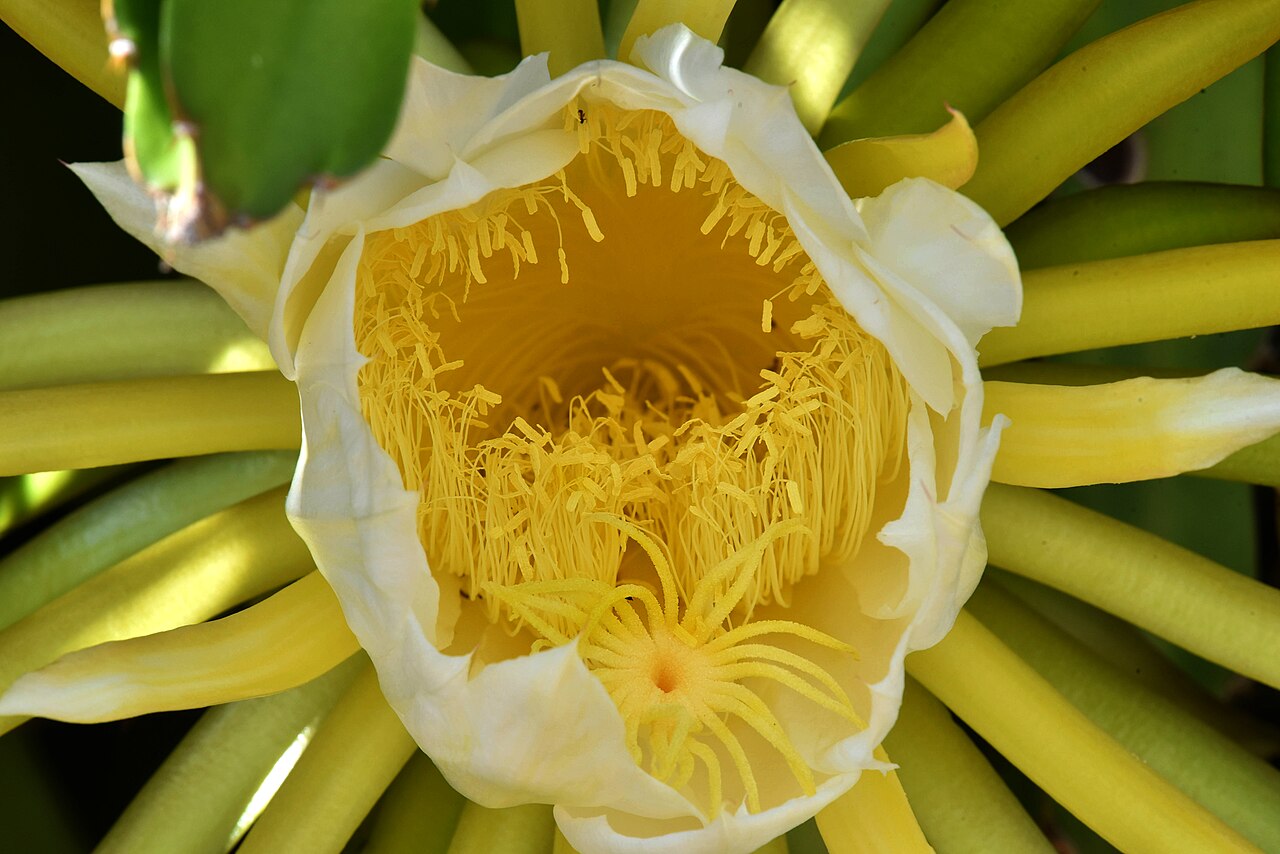
Collect fresh pollen per source into its own tray; apply generously to receptive lobes; tag each flower with source+time+person immediately; photograph.
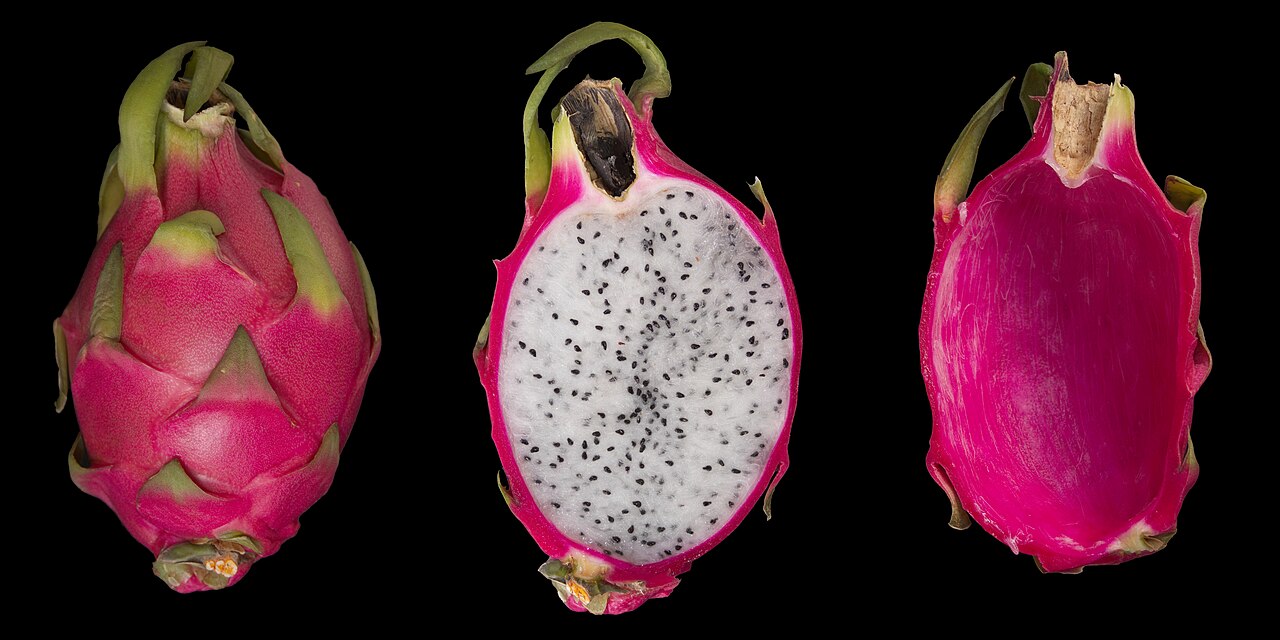
Store optional pollen only by validated method or discard; separate hand-set rows; sanitize tools; return sheets.
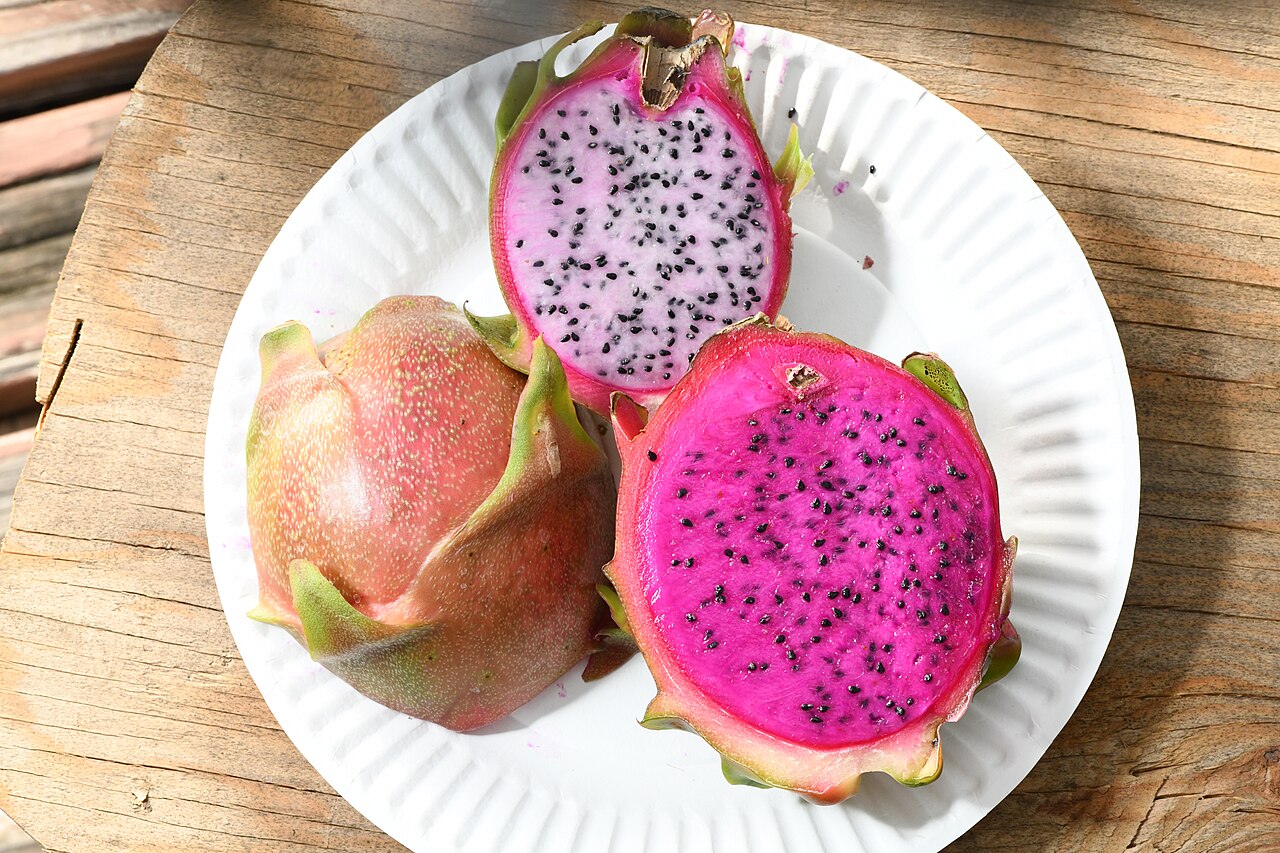
Note wilting/abscission, verify tags intact, reconcile flower count to sheet, and queue set check at 7–10 days and grade at harvest.
Resources 138–162 illustrate technique and pollinator context; all set, size and viability outcomes are clone-, night- and site-specific. This material is educational, not a cultivar or pollinator guarantee. Verify with local trials.